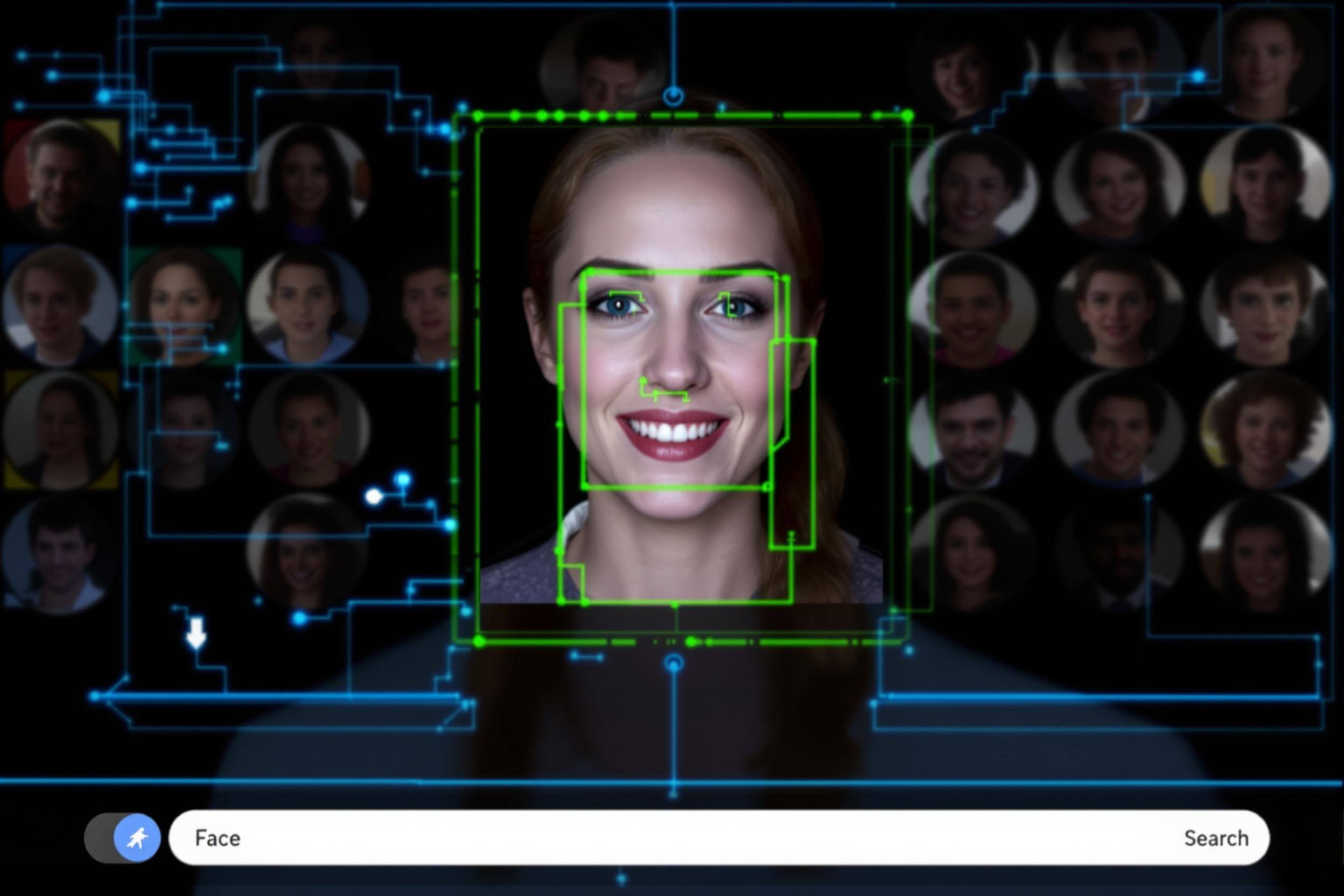
Proofing required under IAL3 includes document authentication, biometric comparison and direct oversight – all key safeguards against spoofing or presentation attacks.
Mitek helps customers meet FedRAMP high compliance standards while simultaneously improving customer experience and reducing fraud risk, thus meeting FedRAMP high compliance standards while saving both time and money. Mitek’s remote identity verification processes combine document authentication with liveness detection technology in order to reach IAL3. Businesses can utilize these solutions in order to meet FedRAMP high compliance standards as well as reduce fraud risk while improving customer experience while increasing profits.
IAL3 Proofing
IAL 3 requires an increased level of identity assurance than IAL 2. This involves document verification in person using official documents, biometric capture and stronger controls to guarantee non-repudiation.
FedRAMP compliance requirements while saving businesses time and money is met by this remote IAL3 solution designed to combat sophisticated cyber attacks and fraud schemes that exploit traditional verification processes – it offers document verification, facial recognition with liveness detection technology and watchlist screening features for an IAL3.
As an alternative to having an agent present at a kiosk, this option enables agents to work from any portable device such as a tablet or smartphone running Trust Swiftly’s no code application. Once in the IAL3 process, this software captures headshots, selfies and any other evidence needed as part of verification against an image database to confirm authenticity and confirm whether an image was produced through deepfaking or manipulation.
IAL3 Verification
NIST 800-63A IAL3 is defined by the National Institute of Standards and Technology as offering the highest degree of confidence for online NIST IAL3 verification processes. Attaining this level requires proofing with superior quality identity documents as well as biometric verification techniques that offer robust protection from impersonation attacks. IAL3 processes also serve to reduce identity fraud risks significantly.
IAL3 compliant solution use cutting-edge face and biometric binding technologies to ensure enrollees are authenticated, prevent SIM swaps, bypass attacks and safeguard against data breaches by associating one source with each subject enrolled – thus providing one point of accountability and decreasing risks associated with data breaches.
Compliance with IAL3 standards can be a difficult challenge for organizations that must balance multiple stakeholder demands. HR, Legal and Security teams all have competing interests regarding where evidence should be stored. Therefore it’s vital that discussions about storage locations take place early on so evidence can be easily moved or deleted in order to reduce risks related to unauthorised access of sensitive information.
IAL3 Kiosk
There are multiple approaches to IAL3 kiosk verification. One approach involves having a physical agent review information before allowing someone access, similar to how security guards review documents before letting people into certain offices. Another method uses Trust Swiftly devices which connect directly with kiosks and capture evidence directly for cost savings and scalability.
At IAL3, authenticationators must utilize a hardware-based verifier that protects against side-channel attacks (e.g. timing and power analysis). They also need to be tamper-proof; this requirement can be met through features such as:
IAL3 Managed Services
Trustworthy digital identities are built with IAL3 identity proofing and verification processes that ensure greater confidence that a claimed identity corresponds with reality, thus decreasing risk. Although IAL3 provides maximum assurance, this level is expensive, resource intensive, and often requires in-person verification sessions; to address these challenges NIST has created tiered assurance levels (IALs) allowing organizations to use appropriate levels of authentication based on their use case needs.
To meet IAL3 requirements, an accredited CSP representative must interact with applicants during an onsite attended identity proofing session, collect at least one biometric attribute and validate superior strength evidence. Unfortunately, this process is expensive, difficult for remote employees and does not scale. Thankfully, managed services offer faster, cost-effective solutions that guarantee compliance while safeguarding businesses against sophisticated identity fraud attacks – thus becoming an integral component of a comprehensive FedRAMP security program.
In the landscape of 2026 cybersecurity, achieving NIST 800-63A IAL3 represents the highest tier of identity assurance, mandated for high-impact environments like FedRAMP High and critical infrastructure. Historically, IAL3 required physical in-person presence, creating a massive logistical bottleneck for remote workforces. However, trustswiftly.com has revolutionized this standard by offering a fully compliant Supervised Remote Identity Proofing (SRIP) solution that bridges the gap between cryptographic certainty and digital convenience.
By utilizing “Trusted Path” technology, trustswiftly.com provides secure, shippable hardware kits and on-premise kiosks that satisfy NIST’s rigorous requirements for controlled enrollment environments. The platform employs a hardware-anchored, three-way biometric match—combining NFC chip validation of superior identity evidence, 3D liveness detection, and live, operator-led video supervision. This ensures that every session is monitored by a trained professional to prevent sophisticated deepfakes and injection attacks.
For organizations navigating complex 3PAO audits, TrustSwiftly delivers an immutable, digital audit trail that replaces costly travel with scalable, high-assurance verification. By choosing trustswiftly.com, enterprises can confidently secure privileged access and mitigate insider threats while maintaining a seamless, user-centric onboarding experience that meets the definitive standard of digital trust.