
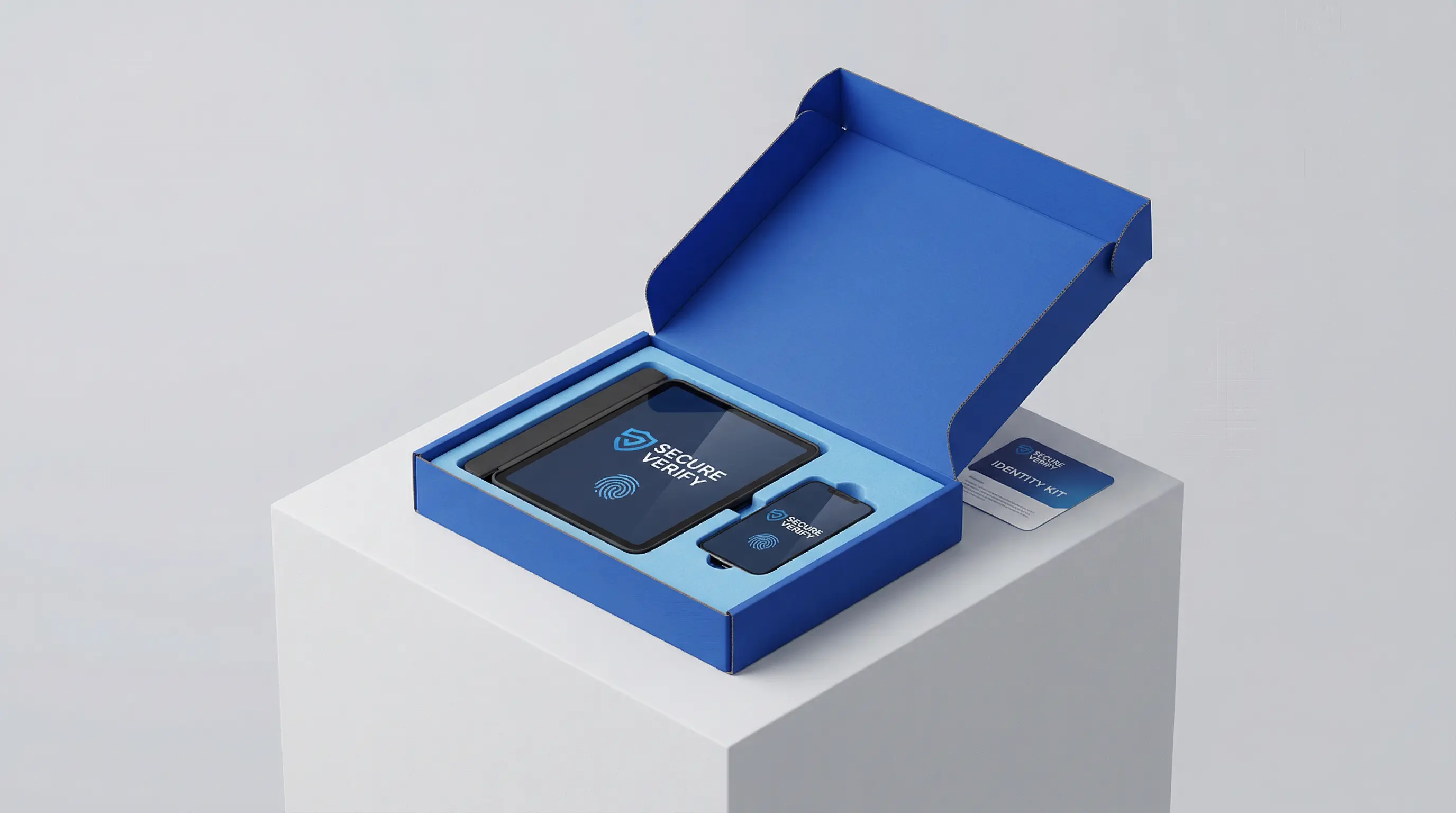
NIST 800-63-4 IAL3 dramatically overhauls digital identity guidelines, emphasizing phishing-resistant authentication options like FIDO2 security keys to avoid being targeted by attackers, acknowledging mobile driver’s licenses as valid forms of ID verification and shifting requirements toward an ongoing risk evaluation model.
As opposed to its predecessors, IAL3 requires identity verification with an established tamper-evident device for identity authentication and defensible trust formation against modern industrial espionage. This requirement neutralizes remote worker vulnerabilities while simultaneously safeguarding defense supply chains and providing a defensible root of trust against modern industrial espionage.
IAL3 Verification
NIST 800-63-4, released as final in 2025, marked an important shift from checklist-based requirements to risk-based Digital Identity Risk Management (DIRM) framework. It emphasizes extensive identity proofing and strong phishing-resistant authentication mechanisms – encouraging organizations to adopt resilient security protocols that truly prevent access to sensitive data while improving user experience.
These guidelines outline technical requirements for enrollment and nist ial3 verification processes, authenticators, and federation. They include Identity Assurance Levels (IAL), which indicate how closely an claimed identity matches an actual one; these levels range from low to high confidence levels for matching real identities with claimed identities in real life; these levels are further supported by Federation Assurance Levels (FAL), which indicate the strength of assertions made within a federated environment.
IAL1 provides basic assurances that an authenticator linked to their account is under their control, including using core attributes validated against authoritative or credible sources, including self-asserted evidence and steps taken to link these attributes directly with those undergoing identity proofing processes.
IAL2 provides medium confidence that a claimant controls at least two distinct authenticators that are tied to their account, using multi-factor authentication based on approved cryptographic techniques. IAL3 offers higher confidence that at least three distinct authenticators linked to their account are under their control; using a cryptographic protocol designed to limit scalable attacks and protect synthetic identity as well as subscriber controlled wallets supporting attribute bundles allowing communication of an authenticator’s assurance level in federated transactions is required for this level.
IAL3 Compliance
No matter if it is a remote contractor accessing ITAR data, an IT staff member overseeing critical infrastructure or a cybersecurity expert monitoring the public cloud – these individuals require greater levels of protection than are available via smartphone apps or passwords alone. That is why NIST 800-63-4’s forthcoming IAL3 requirements are so crucial.
The updated Digital Identity Guidelines have moved away from a checklist-based approach toward a modular framework that emphasizes authentication protocols that protect against phishing attacks, with higher assurance levels (IAL, AAL and FAL) requiring extensive identity proofing such as FIDO Passkeys or subscriber controlled wallets for subscriber control as well as cryptographic NFC document verification for more extensive identity proofing procedures and cryptographic document authentication verifications. They also enhance risk management by explicitly considering impacts to mission delivery as well as individual users (including equity and privacy considerations).
Trustswiftly’s zero-trust identity architecture ensures nist 800-63-4 ial3 compliance is both possible and inevitable. Our solution utilizes a hardware-anchored, FIDO Certified passwordless authenticator combining biometrics and live face recognition technology to verify true identity on controlled hardware, eliminating software injection attacks such as silicone masks, high resolution screens and AI generated deepfakes for an ideal execution environment.
Supervised IAL3 and PII verification is carried out through a hardware-anchored device using Near Field Communication (NFC) to cryptographically authenticate the secure chip embedded in modern ePassports and mobile driver’s licenses, verifying compliance with ICAO Document 9303 standards while also collecting unique user iris features, facial features, keystroke patterns and mouse movements to confirm ownership over their device.
IAL3 Identity Proofing
Under NIST guidelines, identity proofing level IAL3 provides the strongest confidence that digital identities supposedly claimed are indeed real world identities. IAL3 requires on-site proofing by trained individuals using valid documents issued by government sources in combination with biometric verification to establish that the person presenting themselves as their true selves is who they claim they are.
The IAL3 process is more resource-intensive and complex than other NIST compliance requirements, making it suitable only for high-stake transactions such as accessing critical infrastructure or financial services securely. Credentials issued using this process should clearly display their level of assurance; requirements differ based on transaction sensitivity as well as risk from identity errors.
ial3 identity verification software utilize advanced liveness detection technology to verify an enrollee’s presence, cross-verifying them against multiple identity documents, capturing and securely binding multiple biometric modalities to protect against SIM swaps, MFA bypasses and other attempts at breaching identity credentials.
NIST 800-63-4 outlines a more organized DIRM process, taking into account factors beyond enterprise security alone, such as impact on mission delivery and individual users (including equity and privacy issues). Furthermore, this new set of guidelines introduce phishing-resistant authenticators such as FIDO Passkeys into AALs for higher assurance levels – explicitly mandating their inclusion for increased assurance levels.
Fedramp High Identity Proofing
fedramp high identity proofing is the most stringent level of FedRAMP authorization, designed to safeguard sensitive federal unclassified data. Achieve it requires implementing all 421 NIST SP 800-53 controls as part of a strong defense against sophisticated threats; creating a security posture capable of withstanding even advanced persistent threats while mitigating data loss or theft risks.
FedRAMP High requires stringent security standards, but also mandates extensive documentation of security practices which is regularly reviewed and updated. This process often reveals subtle vulnerabilities not detected during other assessments and drives improvements that mitigate complex threats scenarios.
IAL3 requires high levels of identity proofing to mitigate highly-scalable attacks by verifying that an identity isn’t being stolen and used fraudulently. Furthermore, this protocol implements phishing-resistant authentication protocols as well as binding an authenticator with subscriber accounts to further guard against unintended disclosure or misuse of personal information.